


The Real Math Behind Slot RTP (And Why It Matters)
Ask ten slot players what RTP means and you'll get ten variations of "how much the machine pays back." That's technically true, but it's also the kind of h
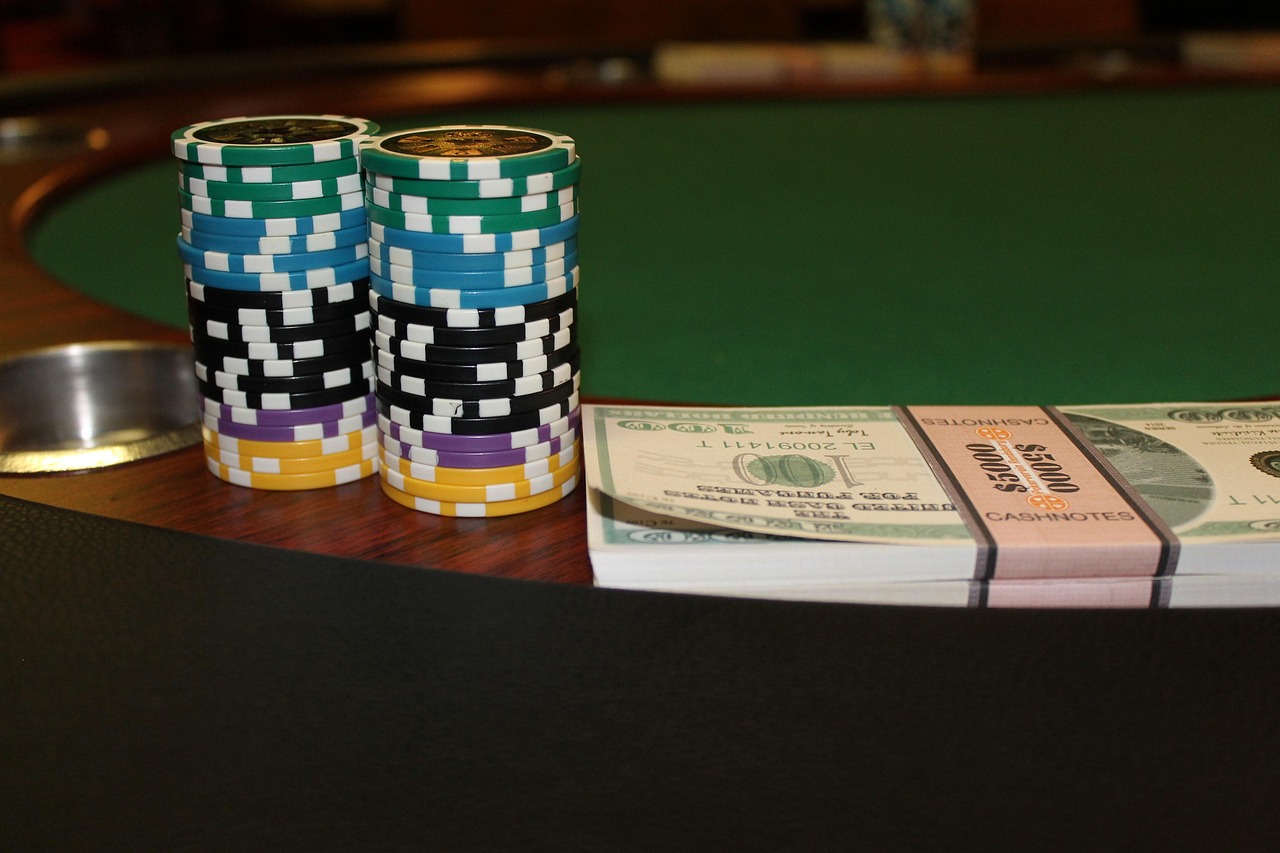
Ask ten slot players what RTP means and you'll get ten variations of "how much the machine pays back." That's technically true, but it's also the kind of half-answer that leads people to lose money in ways they never saw coming. I've spent years watching players chase hot machines, avoid cold ones, and treat RTP like a personal guarantee. It isn't. Understanding what return-to-player actually measures—and more importantly, what it doesn't—is one of the few genuine edges you can carry into any casino, online or brick-and-mortar.
What RTP Actually Measures
RTP is a theoretical percentage of all money wagered on a game that gets returned to players over an infinite number of spins. A 96% RTP slot, in theory, gives back 96 cents for every dollar wagered. The catch hides in three words: over time. Specifically, over millions of spins, not your Tuesday night session.
Here's the part most players miss. The 4% that doesn't return—the house edge—is the casino's built-in profit. But RTP doesn't describe how a game distributes its returns. Two slots with identical 96% RTP can feel wildly different. One might pay small amounts constantly with rare massive jackpots. Another might be brutal for hundreds of spins, then dump a 500x win. Same math, opposite experience.
- High RTP slots (97%+): Usually low-volatility, frequent small wins. Popular examples include many NetEnt classics.
- Mid-range RTP (94–96%): The industry standard. Most branded Megaways and modern video slots land here.
- Low RTP slots (under 94%): Often progressive jackpot games, where the edge funds the prize pool.
If you're choosing between two games and everything else is equal, the higher RTP is mathematically better for your bankroll. It won't change a single session's outcome, but it shifts the long-run math in your favor by a measurable margin. See สล็อต for a side-by-side comparison.
Why "Due for a Win" Is a Lie
Slots operate on random number generators. Each spin is independent. That machine that hasn't paid in two hours? It has no memory. It doesn't owe you anything. The RNG doesn't know a player is frustrated, and it definitely doesn't know the last jackpot was three months ago.
This is where RTP and volatility get confused constantly. Volatility (or variance) describes how wildly results swing around that average. A high-volatility slot might go 200 spins without a meaningful hit, then deliver 300x your stake in a single spin. Players who don't understand variance interpret the dry spell as the machine being "tight" and switch games right before a big payout—or worse, double their bets chasing a recovery. Neither decision changes the odds. Both change how much you lose when variance swings the wrong way.
Here's a concrete example. Imagine a 95% RTP, high-volatility slot with a $1 spin. Over 1,000 spins, you'd theoretically lose about $50. But in reality, you might be down $400 at spin 600 and end the session even. The average is real, but it takes an absurd number of spins to approach it. Your session is a tiny, noisy sample, not the theoretical long run.
RTP Across the Casino Floor
Slots aren't the only game with a house edge—and their edges are among the worst in the building, which is worth saying plainly.
- Blackjack (basic strategy): 0.5% house edge—some of the best odds on the floor
- Baccarat (banker bet): ~1.06% edge
- European roulette: 2.7% edge
- American roulette: 5.26% edge (that extra zero is brutal)
- Slots: typically 2–10% edge depending on jurisdiction and game
Online casinos usually offer better slot RTPs than land-based ones because their overhead is lower. Regulated markets like the UK and Malta often mandate minimum RTP disclosures. Some jurisdictions, like the UK, require operators to publish RTP for each game. Use that. It's free information that most players ignore.
Poker Is a Different Beast Entirely
If you're coming from slots to poker, the mental shift is enormous. Poker isn't played against the house—it's played against other people, and the house takes a rake (typically 5–10% of the pot, capped). Your edge comes from decision-making, not from RTP percentages. A good player can theoretically achieve a positive expected value; no slot can offer that. The rake still hurts, especially in low-stakes games where it eats a huge chunk of every pot. But poker rewards skill in a way no other casino game does.
This is why serious players often treat slots as entertainment spending and poker as a potential investment of time. The two don't belong in the same mental bucket.
Practical Takeaways for Smarter Play
- Check RTP before you spin. Game info screens usually list it. If a casino hides it, that's a red flag.
- Match volatility to your bankroll. Low volatility stretches a small bankroll. High volatility demands a bigger cushion and patience.
- Set loss limits in advance and treat them as absolute. Not best-case suggestions, not "unless I'm close to a bonus." Absolute.
- Don't chase. Every spin is independent. The money you lost is gone. Chasing it is how small losses become big ones.
- Use bonuses carefully. Wagering requirements can turn a generous-looking offer into a trap. Read the terms, especially max bet rules and game weighting.
Bonuses deserve their own warning. A 100% match bonus with 40x wagering on slots means you must wager forty times the bonus amount before withdrawing anything. On a $100 bonus, that's $4,000 in spins. At a 96% RTP slot, your expected loss during that wagering is around $160—more than the bonus itself. Sometimes bonuses are genuinely +EV; often they're marketing dressed up as generosity.
The Bottom Line
RTP is not a promise. It's a long-run statistical average that tells you which games bleed your bankroll slower. That matters, but it matters less than discipline, bankroll management, and understanding which games reward skill and which are pure chance. Slots are entertainment with a known cost, and the smartest players treat them that way. If you're going to play, play the highest-RTP games you can find, size your bets so a bad session doesn't ruin your week, and never confuse a hot streak with an edge. The math doesn't care how you feel about it—and honestly, that's the most useful thing it has to teach.


Post a comment